













Enabling Progress in Recycling and Sustainability


Recycling is a crucial process for sustainable resource management, and having the right equipment is essential to ensure efficient and effective recycling of various materials. Materials like biomass, textiles, wood, batteries, and general waste have to be efficiently processed for proper reuse. This not only helps in reducing waste but also contributes significantly to environmental sustainability and resource conservation.
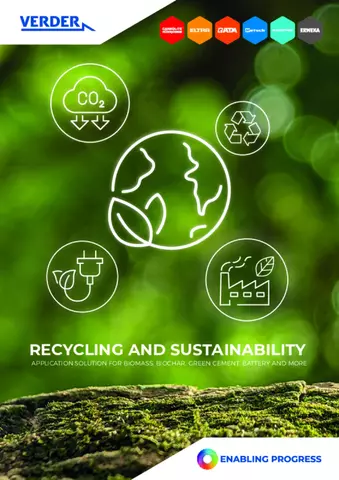

Our expert and professional team will support you finding the perfect solution!
Biomass and Biochar
Biomass and Biochar are important resources in several processes. The first refers to organic material derived from plants and animals, such as wood, agricultural residues, and animal manure. It is used as a renewable energy source through processes like combustion, gasification, and anaerobic digestion.
The second is a carbon-rich product obtained by heating biomass in a low-oxygen environment, a process known as pyrolysis. It is primarily used as a soil amendment to improve soil health, increase water retention, and sequester carbon.
While the biomass is the raw organic material, biochar is a processed form of biomass with specific applications in agriculture and environmental management.
Ball mill and Cutting mill for Biochar
Ball mills, like PM series from Retsch, are widely used for milling biochar and biomass to produce fine particles. Ball milling is particularly effective for creating nano-sized biochar, which has a larger surface area and improved adsorption capabilities. This makes it highly suitable for environmental applications such as pollutant removal from water and soil. Additionally, ball milling can enhance the reactivity and stability of biochar, making it more efficient for use in soil remediation and carbon sequestration.
Cutting mills, like the SM series from Retsch, use rotors to cut and shear biochar and biomass into smaller particles. This method is generally used for initial size reduction and can produce larger particles compared to ball milling. Cutting mills are effective for processing a wide range of biomass materials, including wood chips, straw, and agricultural residues. Both ball mills and cutting mills offer unique advantages and are chosen based on the specific requirements of the biochar or biomass application.
Ball mills are preferred for producing fine, nano-sized particles and even suitable to activate surfaces, while cutting mills are suitable for initial size reduction and larger particle sizes. More information about milling the waste materials.
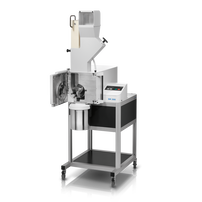

Recycling and waste management | RETSCH
We show you how glass, building rubble, batteries, textiles and other materials are processed for reuse through precise pre-crushing and size reduction, homogenization and quality control – professionally and efficiently.
Carbon, Sulfur and Hydrogen content in Biomass and Biochar
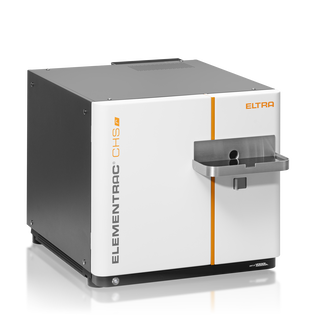
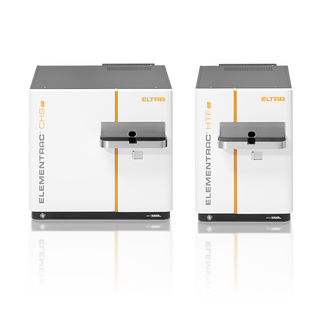
Carbon, Hydrogen, and Sulfur determination in biomass is crucial for understanding the composition and potential value of this product. The biomass can be used in different ways such as, for example biofuel. The best solution to provide precise and reliable determination of carbon, hydrogen, and sulfur in biomass is ELEMENTRAC CHS-r analyzer by ELTRA. It is primarily used as a soil amendment to improve soil health, increase water retention, and sequester carbon. This system can assure:
- High Precision and Accuracy using a horizontal resistance furnace with a ceramic tube, operating at temperatures up to 1550°C.
- Wide Measuring Range from 20 ppm to 100%, perfect for all the variety of biomass samples.
- High Sample Weight up to 500mg for analyzing heterogeneous biomass samples.
- Compliance with most common Standards ASTM, DIN, EN, and ISO.
- TIC module available for TIC determination
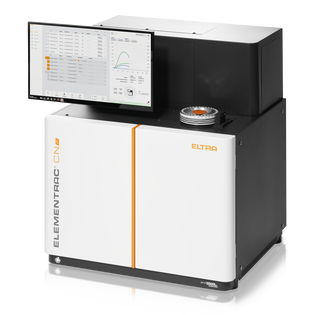
Efficient Nitrogen and Carbon Analysis in Biomass and Biochar Using the Dumas Method
To evaluate the content of Nitrogen and Carbon in biomass or either in biochar the Dumas Method can provide high-throughput, fast and reliable results.
The analyzer ensures complete combustion of all sample components, thanks to the use of a pure oxygen atmosphere and a highly efficient, chromium-free catalyst. This prevents the formation of soot and liquid tin, contributing to the stability and accuracy of the results.
The analyzer is designed to be economical, with intelligent gas-saving functions and efficient use of consumables, leading to low costs per sample.
Interested in additional information?
Moisture content and Ash of Biomass and Biochar
Determining the moisture content in biomass or in biochar samples is crucial for several reasons. The moisture content directly affects the energy content of biomass. Higher moisture levels reduce calorific value, meaning less energy is produced when the biomass is burned.
Moisture content influences the storage and handling of biomass. High moisture levels can lead to microbial growth, decomposition, and spoilage, making the biomass less suitable for energy production. Not less important, for efficient combustion, biomass needs to have an optimal moisture content.
In industrial processes, knowing the moisture content helps in optimizing drying and processing steps, leading to better efficiency and cost savings.
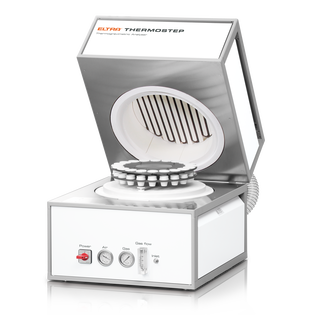
Thermogravimetric analyzer TGA Thermostep is designed to measure the weight loss of a sample as it is heated, providing valuable data on various parameters such as moisture, volatiles, and ash content in biomass and biochar as well.
Thermal treatment to convert biomass in Biochar
Recycling biomass involves converting organic materials like wood, leaves, and agricultural residues into valuable products such as biochar. Pyrolysis reactors are essential for this process, heating biomass at high temperatures in the absence of oxygen to produce biochar.
Would you like to read our article regarding this topic? Here you can find the article:
Ashing process of Biomass
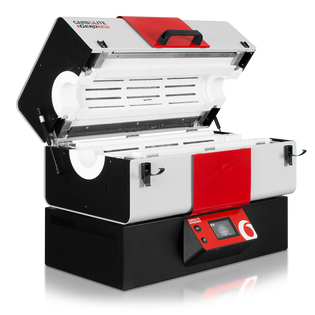
Ashing biomass is a process where organic material is burned to produce ash. This ash contains valuable nutrients and minerals that can be recycled and used in various applications. The temperature at which the biomass is ashed can significantly affect the properties of the resulting ash. Higher temperatures tend to increase the ash’s slagging and fouling tendencies, while lower temperatures may retain more carbon content.
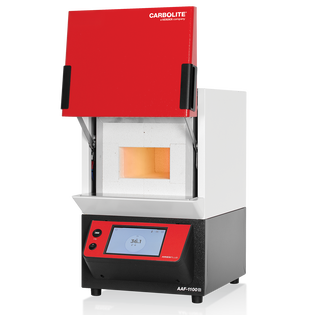
Choose the right instrument with this picture:
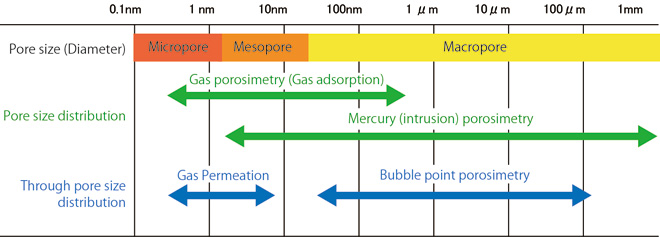
Pore size range and analysis method
Surface area and pore distribution in Biochar
Surface area and pore distribution are critical properties of biochar that significantly influence its effectiveness in various applications. The high surface area of biochar is primarily due to its porous structure, which is developed during the pyrolysis process.
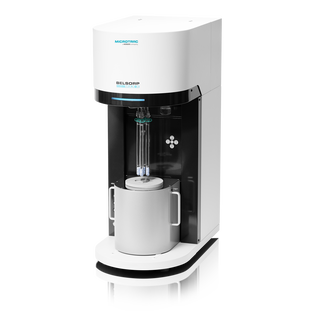
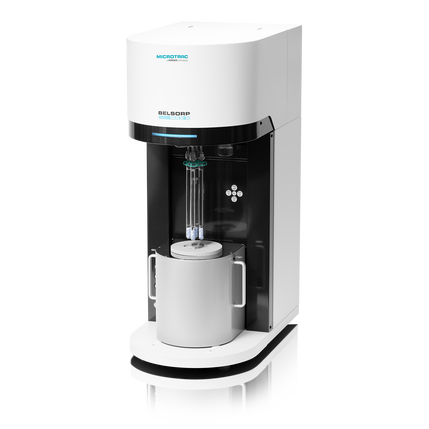
Microtrac Belsorp Series is designed to measure the specific surface area and pore size distribution of materials like biochar. These instruments use gas adsorption techniques to provide accurate and detailed analyses. For example, the BELSORP MINI X is a highly precise analyzer that measures specific surface area, pore size distribution, and pore volume with extreme accuracy. It is equipped with multiple measurement ports and advanced software, making it ideal for characterizing the porous structure of biochar.
Particle Size and Shape of Biomass
Particle size and shape of different biomass are crucial factors in evaluating waste materials. Depending on the final purpose, understanding either the shape or the size of the particles may be more important.
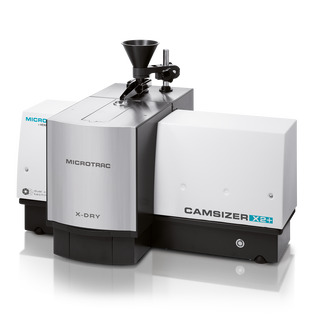
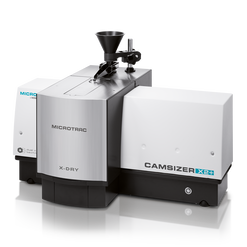
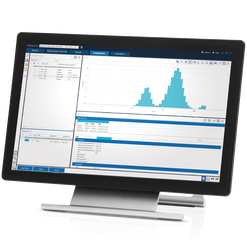
2D dynamic imaging is a highly convenient method for particle characterization, providing detailed information on both shape and size. Additionally, size distribution is essential for understanding the physical properties of biomass, which are critical for processes such as combustion, gasification, and biofuel production
Interested in particle size and shape?

CO2 Capture For a Carbon Neutral Society
Biomass and Biochar are important resources in several processes. The first refers to organic material derived from plants and animals, such as wood, agricultural residues, and animal manure. It is used as a renewable energy source through processes like combustion, gasification, and anaerobic digestion.
The second is a carbon-rich product obtained by heating biomass in a low-oxygen environment, a process known as pyrolysis. It is primarily used as a soil amendment to improve soil health, increase water retention, and sequester carbon.
While the biomass is the raw organic material, biochar is a processed form of biomass with specific applications in agriculture and environmental management.


Total and Organic Carbon determination in CO2 Technologies
Elemental analysis helps in measuring the total carbon (TC) and total organic carbon (TOC) in samples to assess the efficiency of carbon capture technologies and better understand the properties of materials used in carbon capture, such as absorbents and catalysts.
Is essential an accurate elemental analysis for optimization of carbon capture processes by identifying the most effective materials and conditions for CO2 adsorption and storage.
Would you like to learn more?
Heat Treatment in Activation of Zeolite and Calcium Carbonate
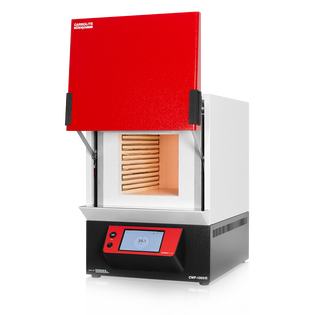
Heat treatment plays a crucial role in the activation and regeneration of adsorbent materials used in carbon capture technologies. Adsorbent materials like zeolites and activated carbon undergo thermal activation to enhance their adsorption properties. This process involves heating the materials to remove moisture and other volatile components. As already mentioned Temperature Swing Adsorption (TSA) and Pressure Swing Adsorption (PSA), heat treatment is used to regenerate the adsorbent materials. There are also some advanced methods like Temperature Vacuum Swing Adsorption (TVSA) utilize the CO2 product gas itself as the heating medium for the adsorbent bed, improving efficiency and enabling high-purity CO2 production. For example, for zeolite the process typically occurs at temperatures above 600°C. For calcium carbonate (CaCO3), heat treatment, also known as calcination, involves heating it to high temperatures (usually around 900°C to 1000°C) to decompose it into calcium oxide (CaO) and carbon dioxide (CO2). Interested in Heat Treatment?
Particle Size and Shape in CO2 storage
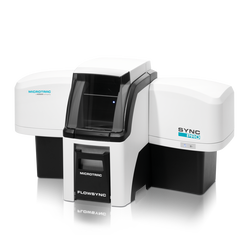
Particle size and shape can significantly affect the efficiency of carbon capture. Smaller and more uniform particles generally have a higher surface area, which can enhance the adsorption of carbon dioxide. Particle size distribution influences the flow behavior of powders used in carbon capture. Proper control of particle size ensures smooth flow and prevents blockages in the system. The shape, as well, can have a big effect in impact reaction rates. Irregularly shaped particles may have different surface properties, affecting how quickly they react with carbon dioxide. Would you like to learn more?
CO2 breakthrough curve measurement
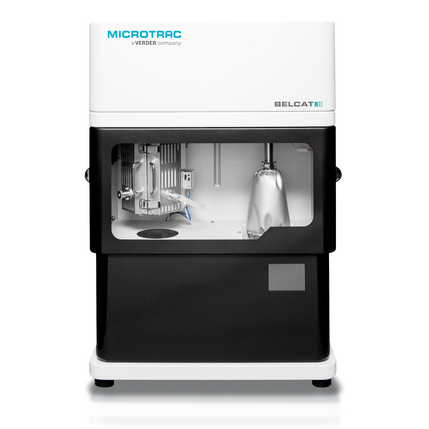
The Adsorption breakthrough curve (BTC) measurement is widely used as an assay method to examine design parameters and adsorption rates for adsorption process. Aiming at single component gas recovery of CO2, which is one of the greenhouse gases. CO2 breakthrough curve measurement and helium purge and Temperature Programmed Desorption (TPD) measurement are conducted simultaneously with BELCAT II to observe the regeneration treatment process.
Breakthrough curve measurement for mixture gas (CO2 and Water vapor)
Water vapor is present as a raw material or byproduct in many processes, and when using adsorption process, it is known that the adsorption performance of the target component changes depending on the presence or absence of water vapor. This is due to the competitive adsorption of each component into the adsorbent, and by evaluating adsorbents under the coexistence of multiple components, it is possible to evaluate their performance more closely under practical conditions. With BELCAT II is possible to measure the adsorption breakthrough curve of CO2 in the presence of low and high concentrations of water vapor and using CO2 and humidity sensors as detectors.
Carbon Capture, Utilization and Storage CCUS - CCU
CCUS involves capturing CO2 from power plants and industrial facilities, then either utilizing it in various applications or storing it in deep geological formations. This process helps reduce emissions from sectors that are difficult to decarbonize.
CCU focuses on the reuse of captured CO2 in products such as concrete, fuels, and chemicals. By incorporating CO2 into these products, CCU can reduce the need for additional fossil fuels and lower overall emissions. Both CCUS and CCU are crucial for achieving carbon neutrality and supporting the transition to a sustainable future.
CO2 absorption and recovery in ambient and high temperature
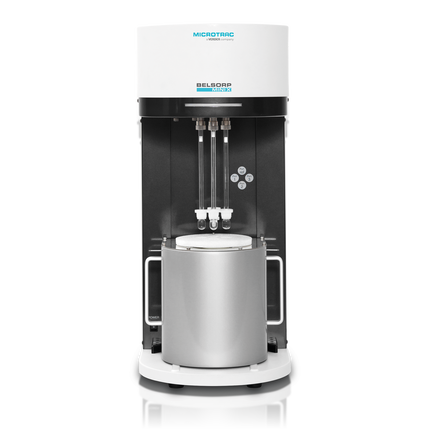
To achieve carbon neutrality the development of Carbon dioxide Capture, Utilization and Storage (CCUS) such as direct air capture (DAC) which directly captures dilute CO2of approximately 400 ppm in the atmosphere, as well as technology which captures relatively high concentrations of CO2(approximately 20%) emitted from factories are underway. As one of these technologies, the separation and recovery of CO2 can be achieved by pressure swing adsorption (PSA), in which CO2 is adsorbed at higher pressure and desorbed at lower pressure, and temperature swing adsorption (TSA), in which CO2 is adsorbed at around room temperature (25 °C) and desorbed at around 80-100°C, and pressure and temperature swing adsorption (PTSA), in which both processes are taken into account. Belsopr Mini X is the perfect solution to evaluate the CO2absorption capacity in different material like Zeolite, MOF/PCP or porous carbon at different temperature. Interested? Request our support:

Green Cement for a Sustainable world
Green cement represents a revolutionary approach in the construction industry, focusing on sustainability and environmental responsibility. This innovative material is developed by incorporating recycled materials and utilizing advanced techniques such as heat treatment, surface area analysis, grinding, and elemental analysis characterization to determine the characteristics of these materials.
The production of green cement involves replacing traditional carbon-rich limestone with alternative materials like calcined clays, slags, manufactured sands, and fly ash. These materials not only reduce the carbon footprint but also enhance the properties of the cement.
As Verder, we strive to support research and industrial laboratories to enable the progress in the production of innovative and sustainable materials.
Carbon / Sulfur determination using induction furnace
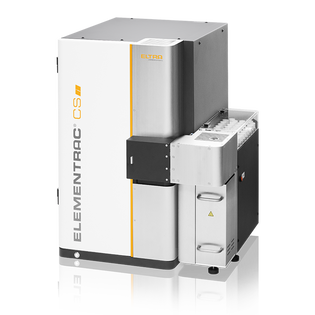
Sulfur content strongly influences the aging of clinker brick, because the production of acid (in combination with water) might result in a degeneration of the material.The powerful induction furnace of the carbon sulfur analyzer CS-I melts all kinds of construction material in a pure oxygen atmosphere at temperatures above 2.000 °C while up to four independent infrared cells with flexible measuring ranges precisely determine the sulfur (and optionally also carbon) content.
Carbon / Sulfur determination with a combine induction and resistance furnace
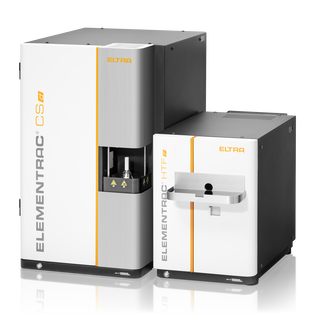
The efficient combination of induction and resistance furnace in one analyzer (ELTRA Dual Furnace Technology) results in an economical solution for the elemental analysis of carbon and sulfur in construction materials.
In addition to the induction furnace for the elemental analysis of green construction materials, the CS-d is also equipped with a resistance furnace, which allows temperatures up to 1,550°C. The resistance furnace is ideal for analyses of combustible materials like coal, coke or secondary fuels.
The effect of Carbon / Hydrogen / Sulfur content in calorific value
The effective calorific value depends on their respective carbon and especially hydrogen content. When secondary waste material are combusted, for example, a significant amount of water is formed from the hydrogen content, which must then be vaporized through a rotary tube furnace. This procedure significantly reduces calorific value.
Elemental analysis and the reliable determination of carbon, hydrogen and sulfur content is therefore essential – the CHS-r with its resistance furnace is the ideal analyzer for this task. For a high throughput of samples, the CHS-580A is available with an autoloader for 36 or 130 crucibles.
Moisture, ash or LOI determination in green cement
The conventional determination of thermogravimetric parameters such as moisture, ash or LOI (Loss On Ignition) with muffle furnaces and an external balance is in many cases time-consuming and involves high operational costs in terms of personnel.
The TGA Thermostep is a programmable thermogravimetric analyzer with an integrated balance, which determines various parameters such as moisture, volatiles and ash in fuels or the LOI in cement at user-defined temperatures and atmospheres in a single analysis.
Heat Treatment for SCMs Cement
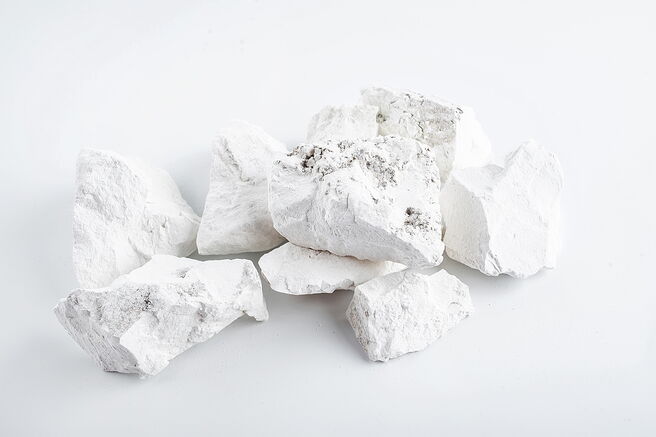
Heat treatment enables the effective use of waste materials in cement production. For instance, fly ash and blast furnace slag can be treated at high temperatures to enhance their reactivity and performance as SCMs (Supplementary Cementitious Material). This not only reduces waste but also conserves natural resources.
Calcination is one of the process that are important in the production of Cement that involves heating a substance to high temperatures in the supply of air or oxygen.
Would you like to learn more? Have a look to our page:
If you are interested in Cement Testing Compliance Control read our article.
Mechanochemical activation of Clays
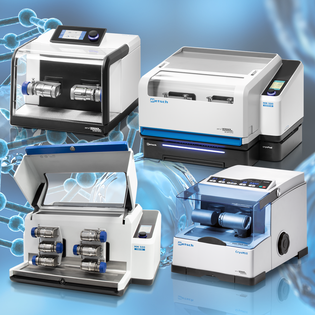
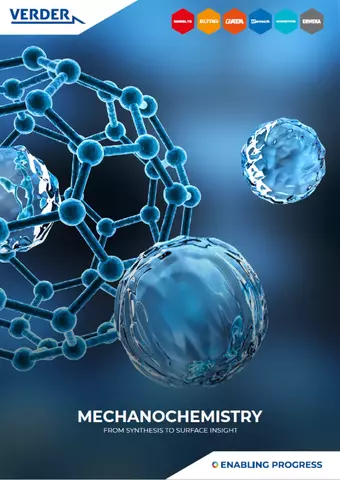
Mechanochemical activation of clays is a process that involves intensive grinding to induce structural disorder and increase the chemical reactivity of the clay minerals. This method is considered an environmentally friendly alternative to traditional thermal activation, as it avoids high calcination temperatures. The process start with an intensive grinding to create structural disorder and amorphization, which enhances their reactivity. Combining thermal and mechanochemical activation can further enhance the reactivity of clays. For example, integrating mechanochemical activation with prior thermal treatment can significantly increase the specific surface area and reactivity levels of heterogeneous clays. Mechanochemistry with ball mills is highly effective for clay activation due to the high energy impact that induces structural changes, increasing reactivity. The process amorphized clay minerals, enhancing their chemical reactivity, and reduces particle size, increasing surface area for better interaction. As Verder we can provide optimized process combining different technique as Carbolite furnace, Retsch milling systems and Microtrac Surface Area analyzers.
Pore Structure analysis of Hardened Cement
The construction industry is increasingly focused on sustainability, and one promising approach is the use of waste materials in cement production.
Hardened cement, as HCP, is a key component of concrete and can benefit significantly from the incorporation of various waste materials, both in terms of environmental impact and performance.
Hardened cement paste (HCP) is a porous, heterogeneous material mainly composed of Calcium Silicate Hydrates (C-S-H). Its properties and structure are influenced by moisture content, with pore size distribution being nonlinear and affected by relative humidity. Surface forces and capillary condensation play significant roles in HCP behavior.
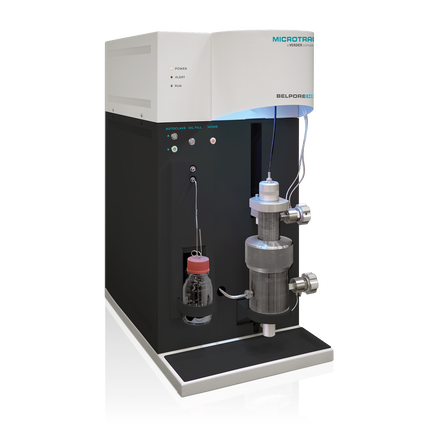
The BELPORE mercury porosimeters, available in three models (LP, MP, HP), measure pore diameters from 3.6 nanometers to 1 millimeter using the P.A.S.C.A.L. principle for optimized pressure control, enabling rapid, precise measurements with low running costs and comprehensive data analysis capabilities.
Would you like to learn more? Read our application note:
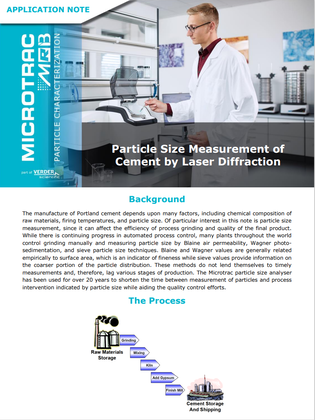
The importance of Particle Size in production of Green Portland cement
The particle size distribution of Portland green cement is a critical factor that influences its performance and properties. Accurate measurement and control of particle size are essential for optimizing the cement's reactivity, strength, and durability.
Particle size can affect the efficiency of process grinding and quality of the final product. While there is continuing progress in automated process control, many plants throughout the world control grinding manually and measuring particle size by Blaine air permeability, Wagner photo-sedimentation, and sieve particle size techniques.
Would you like to learn more?
BET surface area in Green Cement
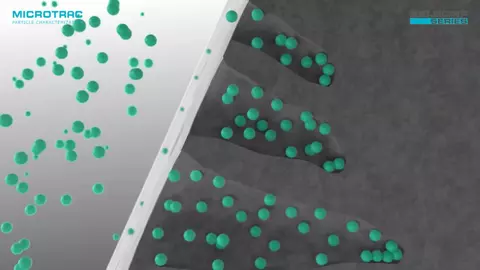
Surface area analysis, particularly through BET (Brunauer-Emmett-Teller) specific surface area measurements, plays a crucial role in understanding the reactivity and strength of green cement. This analysis helps in optimizing the mix design and ensuring the desired properties of the final product.
BET analysis provides accurate measurements of the specific surface area of cementitious materials. A higher surface area indicates more reactive sites, which can enhance the hydration process and improve the strength and durability of the concrete.
Would you like to learn more?

WEEE and BATTERY
Green cement represents a revolutionary approach in the construction industry, focusing on sustainability and environmental responsibility. This innovative material is developed by incorporating recycled materials and utilizing advanced techniques such as heat treatment, surface area analysis, grinding, and elemental analysis characterization to determine the characteristics of these materials.
The production of green cement involves replacing traditional carbon-rich limestone with alternative materials like calcined clays, slags, manufactured sands, and fly ash. These materials not only reduce the carbon footprint but also enhance the properties of the cement.
As Verder, we strive to support research and industrial laboratories to enable the progress in the production of innovative and sustainable materials.

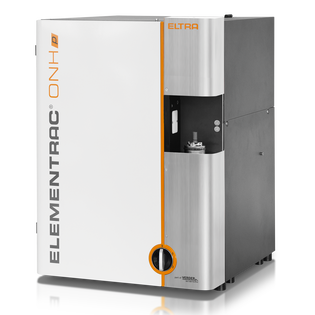
Nitrogen & oxygen analysis of silicon nitride from Lithium-based battery
Lithium-based batteries can incorporate silicon nitride as part of an electrode. The nitrogen content is measured to indicate the purity of the silicon nitride, while the oxygen content is determined to evaluate electrical properties. Recycling this components is crucial and with ONH-p instrument you will get precise and reliable results.
Carbon Sulfur determination of lead components from Lead-based battery
Sulfur measurement by combustion analysis is used for final quality control of charged lead-based batteries. Determination of these 2 components is really important also in the recycling process. The electrodes consist of lead and lead oxide and need to be free of sulfur. The properties of the battery paste have an impact on the performance and life span of the battery and the contained lead sulfate determines its qualities.
Thermal processing of carbonaceous material up to 3000 °c to produce high-quality electrode material
Carbonaceous material is converted into uniform, stacked layers by subjecting it to high-temperature processing. The resulting nanostructures are held together by Van der Waals forces, which are weak intermolecular forces that occur between molecules or atoms. The HTK and GLO furnace series are specifically designed to optimize temperature control for the production of consistent and uniform materials and can be used also in case of recycling material.
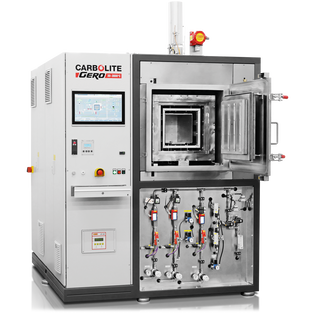
Thermal processing of recycled battery materials to extract reusable elements
Thermal processing is one process step that can be used in research applications for processing batches of material to recover recyclable elements and precious metals under modified atmosphere and in air. Off gas handling systems are available to ensure environmental impact is minimized. Under European Directive 2013/56/EU 50% by mass of battery materials need to be recycled.
Shredding and sieving of battery material for segregation
In the recycling process, shredding dismantled or complete batteries is one of the initial steps. RETSCH cutting mills are used to shred batteries or components on a laboratory scale which helps researchers to develop new recycling routes. RETSCH sieving machines are employed to separate the different material fractions, for example black mass from polymeric and metallic parts.
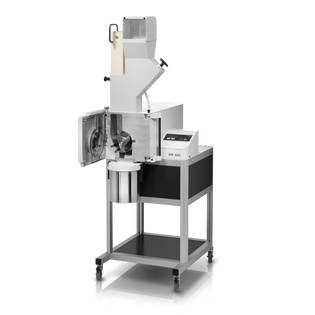
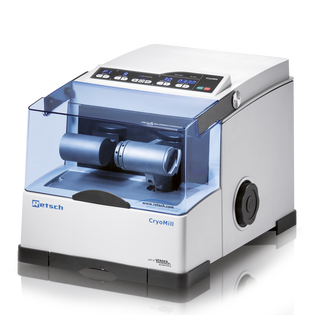
Laboratory mills to homogenize battery recycling fractions
In a battery recycling process, the exhausted batteries are assorted in different material fractions. To evaluate the efficiency of a recycling process and to investigate the purity of each fraction, samples are homogenized and analyzed. The market value of the black mass, for example, depends on its content of valuable metals, like lithium or cobalt. Black mass can be homogenized in a ball mill. To avoid cross contamination, metallic or ceramic grinding tools should be chosen, respectively. The polymeric material fraction and metallic foils are first pre-cut with a cutting mill and then pulverized, usually at cryogenic temperatures, for example with RETSCH’s CryoMill.
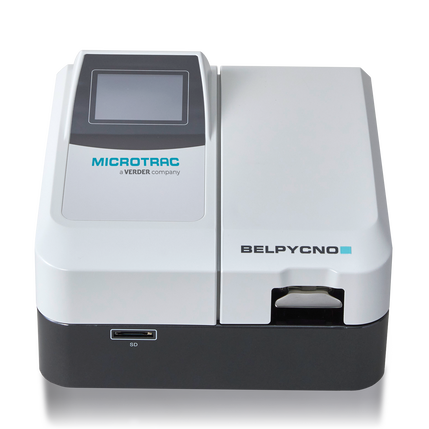
Density of electrode materials
The density (g/cm³) is a crucial factor in characterizing and evaluating battery active materials. A gas pycnometer determines the density of electrode materials by measuring the amount of displaced gas (helium).
Interested?
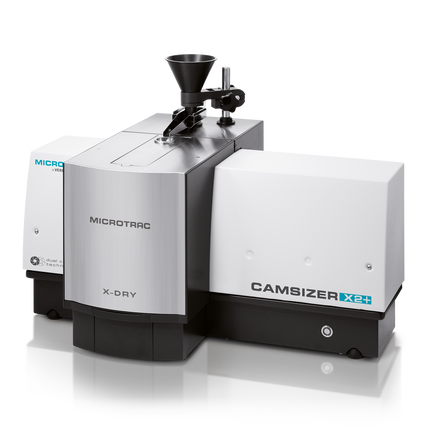
Laser diffraction and dynamic image analysis to measure the particle size and shape of different battery parts
The particle size of anode, cathode, and separator material affects the electrochemical performance of batteries. A smaller particle size will lead to shorter pathways in solid materials and decreased over potential leading to improvements in the charge/discharge rate.
Also in the process of recovery battery compound the Particle characterization is one of the most important factor.
Interested?
Gas adsorption to specify the surface area and pore size distribution of electrode materials
The specific surface area and a pore size distribution of electrode materials can be derived from the measured gas sorption isotherm. The surface area related to the mass as specific surface area (m²/g) is an important parameter in the characterization and evaluation of battery active materials, as their morphology has a direct impact on the battery performance.
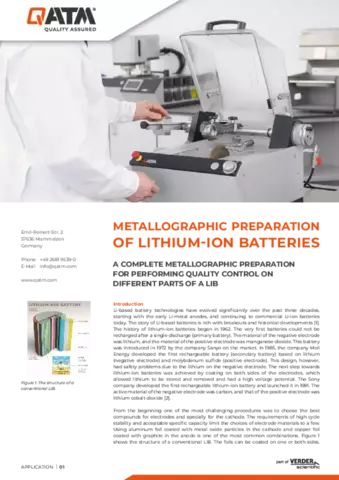
Applications for Battery Technology by QATM
The energy transition requires effective concepts for energy storage, as renewable energy sources such as solar and wind are not continuously available. Therefore, a reliable energy supply is not possible without suitable storage solutions. Lithium-ion batteries have established themselves as the best available battery solution due to their high energy density, long lifespan, low self-discharge, and fast charging capability. Tailored metallographic preparation is essential for better understanding and further developing the materials and structures of these batteries. It provides detailed insights into the microstructure, material composition, and quality of the individual components and joints, contributing to the optimization of lithium-ion batteries.

GLOBAL BRANDS. LOCAL EXPERTISE.
With dedicated expert teams around the world, we are there for you – anytime, anywhere.
To offer you high-quality service, Verder Scientific operates a wide network of subsidiaries and local sales offices. We are looking forward to providing you with product demonstrations, application support as well as comprehensive services.