









From Rock to Powder—Reliable Sample Preparation for Accurate Results
In geochemistry, mining, and environmental science, precise chemical analysis starts with effective sample preparation. Crushing and pulverizing geological samples like rock, ore, soil, or sediment into fine, homogeneous powders is essential to ensure analytical accuracy and representativeness.
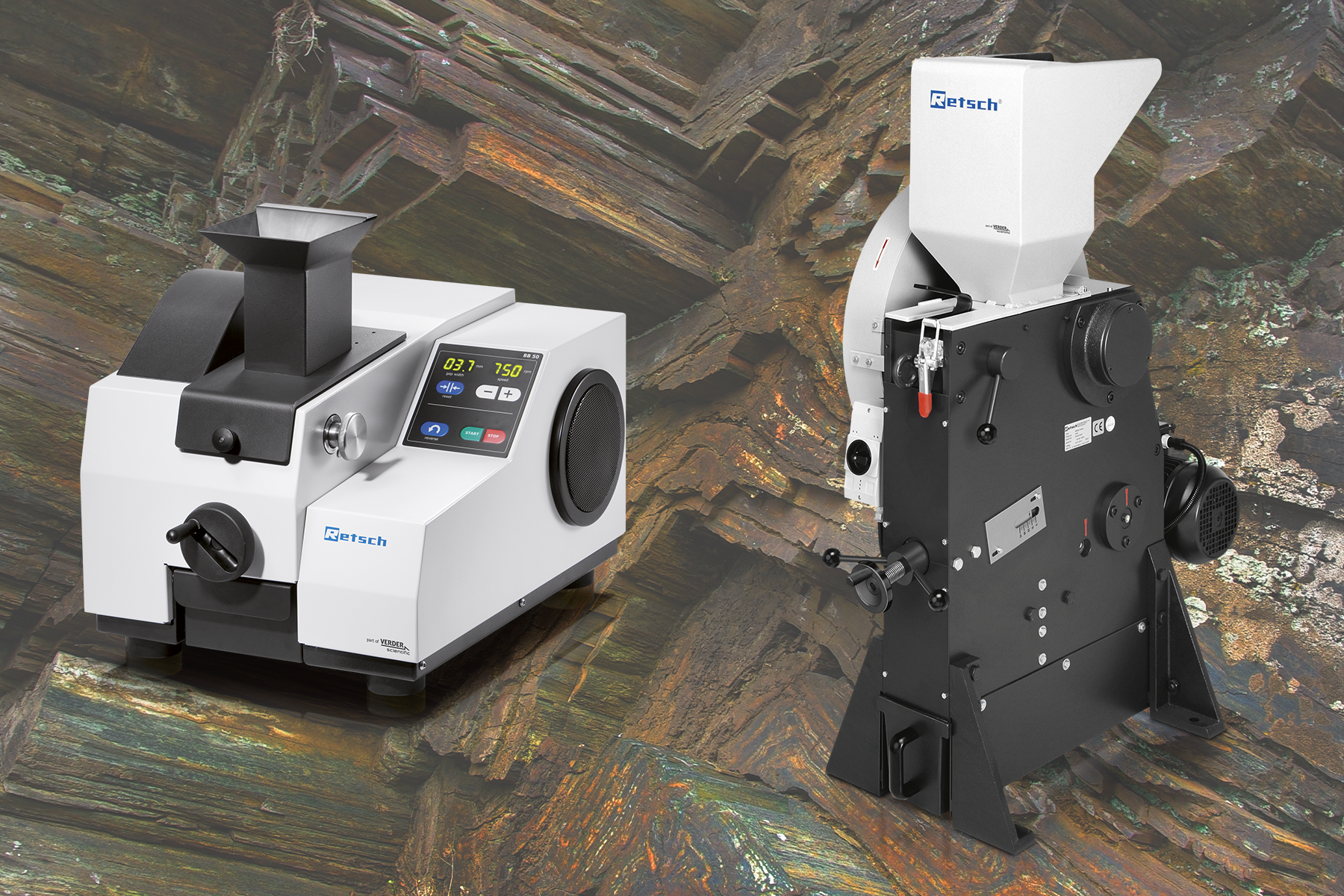
Retsch offers a complete portfolio of instruments tailored for each step of the comminution workflow—from initial coarse crushing to ultra-fine grinding. With proven reliability, contamination-free options, and compliance with international standards, Retsch equipment ensures your results are both accurate and reproducible.
Key Advantages of Retsch Equipment
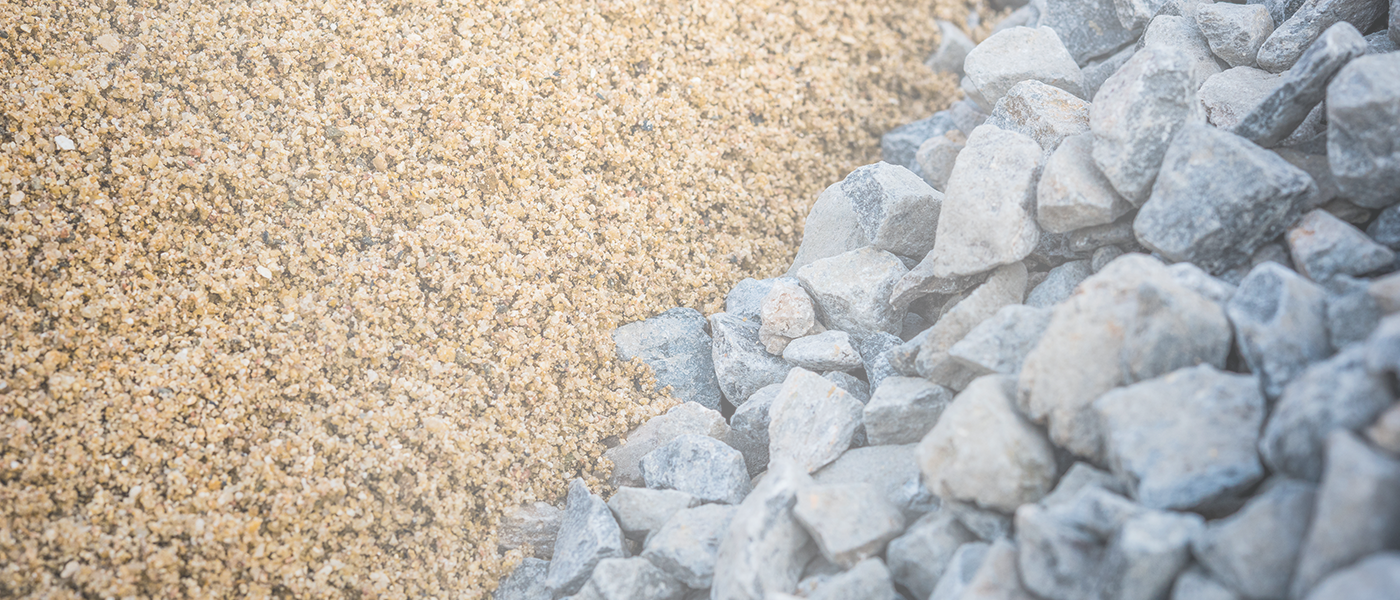
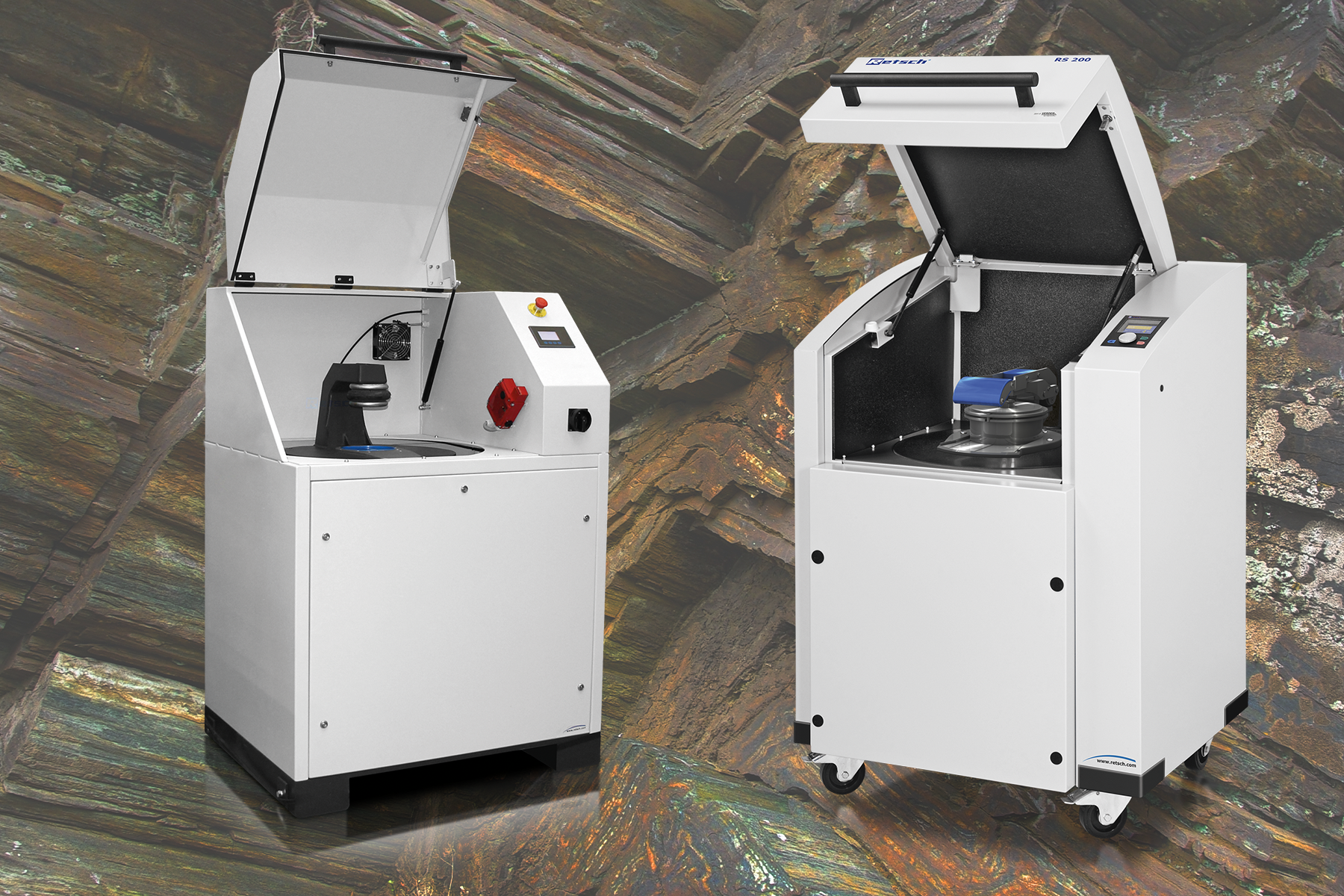
- Complete workflow coverage: From jaw crushers (e.g., BB series) to disc mills and fine pulverizers like the RS 200.
- Precision grinding: Achieve <100 µm particle sizes for XRF, fire assay, or digestion—quickly and reproducibly.
- Low contamination: Use tungsten carbide or chrome steel sets for trace-element-sensitive work.
- Cross-contamination control: Interchangeable, cleanable grinding sets for consistent results.
- Dust-tight operation: Prevent sample loss of fine fractions critical for accurate elemental analysis. Additionally safe working, less dust thanks to cyclone systems
- Start 1 time – get pulverized sample: Combination units like Jaw Crusher – Disc Mill available
Standards Compliance
Retsch systems support compliance with methods such as ISO 3082:2017 for iron ore, which requires full pulverization to 100% passing 160 µm. This ensures that even a 0.5 g subsample accurately represents tons of heterogeneous geological material.
Retsch provides the precision, efficiency, and quality your lab can trust. From routine sample prep to critical trace element analysis, Retsch makes your work easier, faster, and more reliable. Here a table to summarize different needing:
| Technique & equipment | Function | Input Size | Output size | Notes | |
|---|---|---|---|---|---|
| 1 | Retsch Jaw Crushers(BB Series) | Coarse crushing rock or coal samples | Large pieces up to 150 mm | Gravel (~2mm or even finer, adjustable) | Hardened steel, NiHard 4 or tungsten carbide jaws; cyclone systems available, aslo combination units with DM 200 from small table top version to 3.5 t/h sample throughput |
| 2 | Retsch Disc Mills/ (RS 200 / RS 300; DM 200) | Intermediate to fine grinding | up to 20 mm | ~20 µm | High-energy,quick pulverization; ideal for XRF sample prep; uses grinding discs/ring and puck up to 2000 ml sample per batch |
| 3 | Retsch Planetary Ball Mills (PM series) | Ultra-fine grinding, sub-micron particles possible | up to 10 mm | <50 µm, even s< 100 nm with wet milling | Uniform powder; uses prolonged milling; wet milling possible for 8-220 ml sample depending on used jar size |
| 4 | Retsch Mixer Mills (MM series) | Quick pulverizing of small samples monts from 1-42 ml | up to 10 mm | <5 µm, even < 100 nm with wet grinding | Horizontal shaking with ball in jar; ideal for small sample amounts up to 42 ml quick pulverisation or wet grinding down to 100 nm possible |
| 5 | Non-metal grinding sets (agate/alumina ceramic) | Avoid contamination for trace element analysis | Variable | Depends on mill used | Used when metal contamination is critical |
RETSCH: Experince in Sample preparation
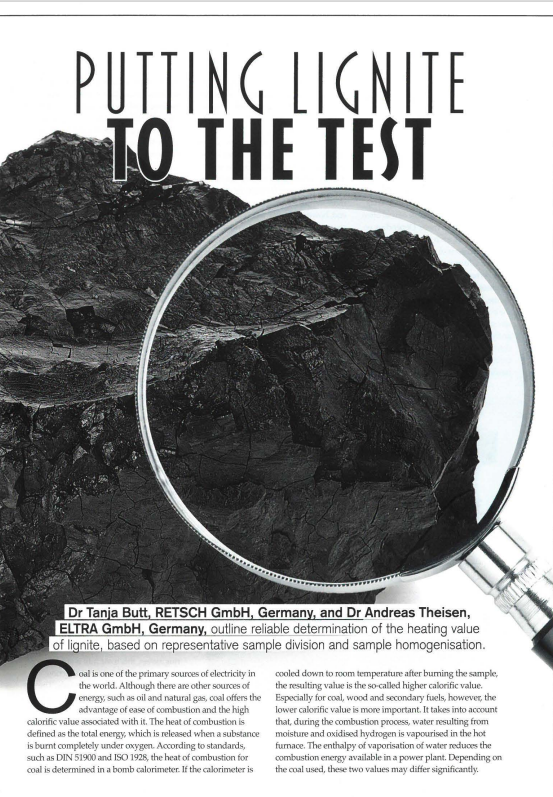
Coal Analysis with Retsch & Eltra
This report emphasizes the importance of representative sampling and homogenization of lignite for reliable calorific value and CH analysis. It compares preparation methods, demonstrating how RETSCH crushers and mills combined with ELTRA combustion analyzers yield accurate, reproducible carbon and hydrogen results.
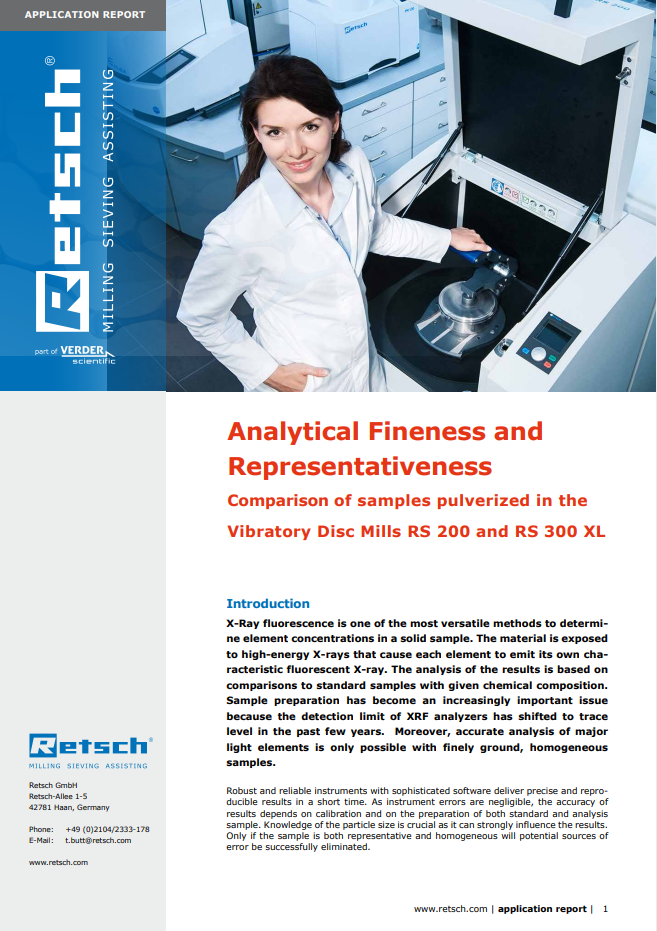
Analytical Fineness and Representativeness RS 200 vs. RS 300 XL
This study compares RETSCH Vibratory Disc Mills RS 200 and RS 300 XL in producing homogeneous samples for XRF analysis. Both achieve fineness <20 µm, ensuring reproducibility. Homogeneity tests with quartz–tantalum mixtures show negligible deviations, confirming both mills deliver reliable, contamination-free preparation critical for trace element detection.
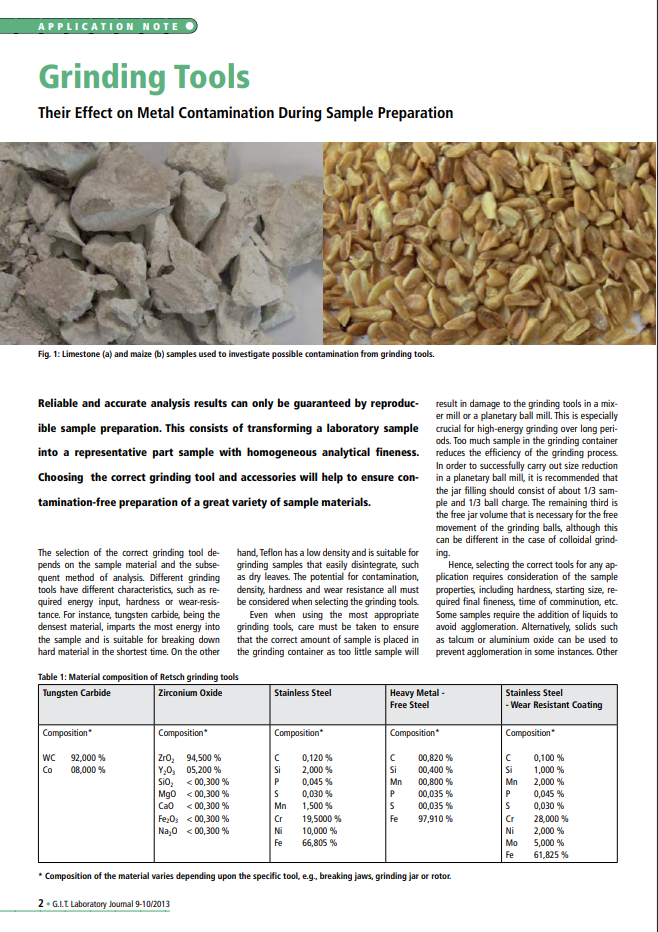
Grinding Tools and Contamination During Sample Preparation
This note examines how different RETSCH grinding tools (tungsten carbide, zirconium oxide, stainless steels) influence sample contamination. Tests on limestone and maize reveal generally low contamination, though steel tools contribute Fe, Cr, Ni. Selecting tool material based on analysis needs minimizes contamination, ensuring reliable results for sensitive applications.
Sample Homogenization for Fire Assay
A metallurgical assay is the standard method for determining the content of precious metals such as gold, silver, platinum, palladium, iridium, and rhodium. Cupellation (fire assay) is widely recognized for its unmatched accuracy, capable of detecting even trace concentrations down to 1 ppb. Although destructive, it remains the most reliable approach for ore valuation and quality control in refineries and mining companies. High-quality sample homogenization is crucial at the start of the process, particularly for coal, coke, and hard, brittle ores.
- Jaw Crusher BB 500 XL: handles large input pieces (up to ~110 mm) and reduces them rapidly to manageable sizes.
- Vibratory Disc Mill RS 300 XL: achieves fine pulverization to below 100 µm with proven reproducibility.
Together, these instruments ensure homogeneous, representative samples essential for accurate and reproducible fire assay results.
Vacuum Impregnation of Porous Geological Samples
Stabilizing and reinforcing porous, fissile, or particulate geological samples by impregnating them with resin under vacuum before cutting or polishing. Many geological materials – e.g., highly porous sandstones, loosely consolidated soils, coal, or mineral concentrates – can crumble or lose pieces during preparation. Vacuum impregnation fills the pores and cracks with epoxy, providing mechanical support and preventing the loss of material (or bubble formation) when sectioning and polishing.
Why it is performed:
- To preserve sample integrity: A friable ore with vugs or a weathered rock with clay-filled fractures might fall apart if cut dry. Impregnation ensures the sample holds together and the internal structure is preserved for microscopy. Without impregnation, pores might collapse or grains detach, which would ruin a thin section or polished mount.
- To achieve good polish and representation: Open pores can lead to dragging of softer material into holes during polishing, causing relief and preventing a flat surface. Filling pores with resin provides a continuous surface that can be polished flat – critical for quantitative image analysis or electron microprobe work (where holes would cause beam artifacts).
- In preparation of powdered samples into a solid mount: Sometimes geologists want to examine a powdered sample (like heavy mineral separates or tailings). These can be mixed with resin and cast into a solid plug under vacuum to remove air and ensure particles are locked in place.
- Under vacuum, resin penetrates even fine pores (capillary action alone might not fill tiny cracks due to trapped air). This yields a stronger, void-free mount.
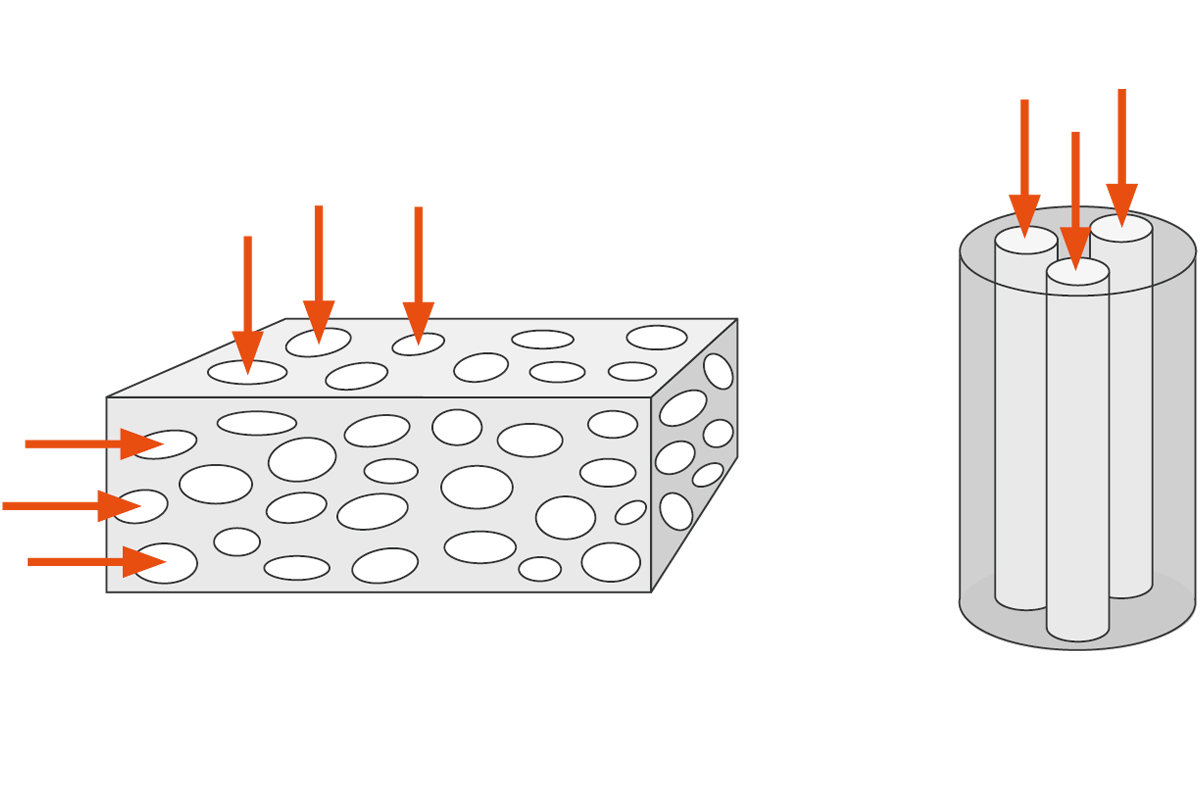
Infiltration of porous material or thin holes
Preparation of Petrographic Thin Sections
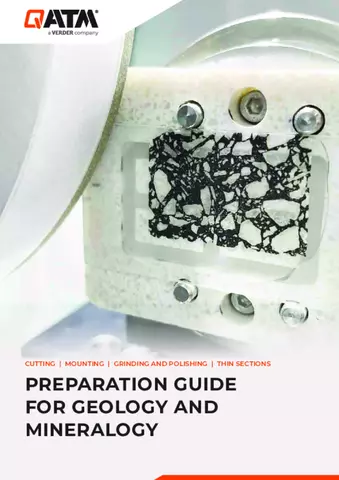
Why Thins Section?
- Mineralogical analysis: Many minerals are translucent and can only be properly identified in thin section using their optical properties (birefringence, refractive index, extinction angle, etc.).
- Textural interpretation: Thin sections allow geologists to see grain relationships – crystal shapes, size distribution, fabric (alignment), and features like zoning or alteration.
- Geological history: From thin sections, one can infer rock genesis – e.g., a metamorphic rock’s foliation, a volcanic rock’s phenocryst and groundmass arrangement, or a sedimentary rock’s cement and porosity.
- In mining, thin sections of ore can show how ore minerals and gangue are intergrown, which informs grinding and separation strategies (though reflected light polished sections are more common for opaque ore minerals, thin sections still show silicates and can be stained for carbonates, etc.).
- It’s also standard for academic research, teaching (student petrography labs), and for specialized analyses like fluid inclusion studies (which require thick sections or doubly polished sections).
QATM provides specific tools: a thin section saw (or a universal cutter that can thin), a thin section press (to ensure bubble-free contact of rock to slide), and a line of grinding discs (diamond cups) and polishing cloths.
Enabling Progress v GEOLOGY AND MINING
Zajímají vás další témata ze stránky Geo & Mining?
Podívejte se a zjistěte, co dalšího můžete dělat s našimi produkty různých značek Verder!



GLOBÁLNÍ ZNAČKY. LOKÁLNÍ ODBORNÉ ZNALOSTI.
Díky specializovaným týmům odborníků po celém světě jsme tu pro vás - kdykoli a kdekoli.
Abychom vám mohli nabídnout vysoce kvalitní služby, provozuje společnost Verder Scientific širokou síť dceřiných společností a místních obchodních zastoupení. Rádi vám poskytneme předvedení výrobků, aplikační podporu i komplexní servis.