









Badanie topliwości popiołu dla węgla
Ash fusibility testing is a critical tool for optimizing coal utilization in power generation and metallurgical processes. By determining the characteristic transformation temperatures of coal ash—Initial Deformation (IDT), Softening (ST), Hemispherical (HT), and Fluid (FT)—labs can predict slagging behavior in boilers and gasifiers, ensuring operational safety and efficiency.
Coal ashes with varying mineral compositions exhibit different melting behaviors; for example, high iron or alkali contents lower fusion points. Reliable measurement of these parameters helps operators select suitable coal blends and adjust furnace conditions to prevent slagging and unplanned downtime.
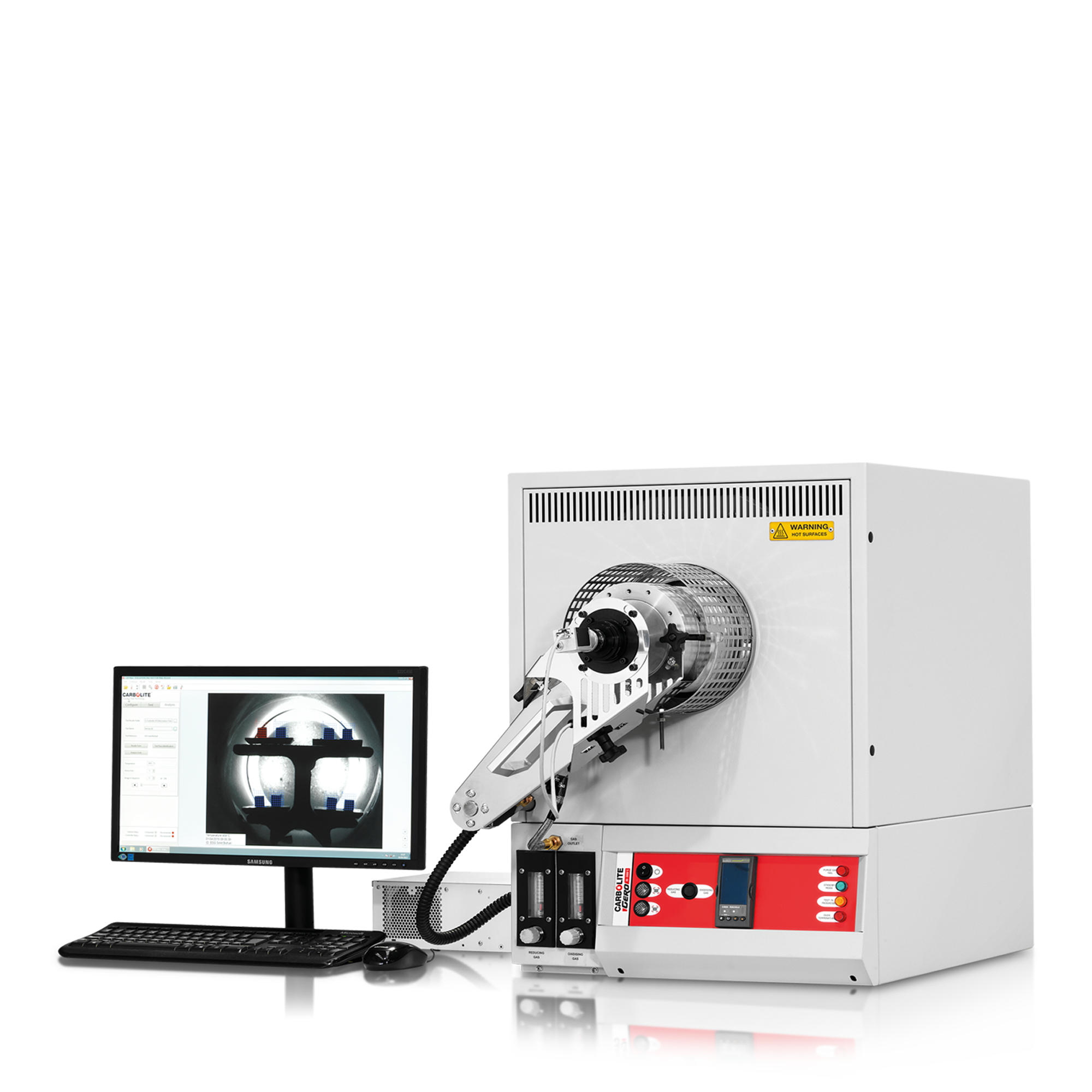
The Carbolite CAF G5 Ash Fusibility Furnace is specifically designed for this application. Key features include:
- Heating up to 1600 °C, with inert or reducing atmosphere options to simulate real furnace environments.
- Integrated camera and software for continuous image capture and automatic endpoint recognition, minimizing human error.
- Compliance with international standards (ISO 540:2008, ASTM D1857/D1857M–18, DIN 51730) for standardized and reproducible results.
- Controlled heating rates (e.g. 8 °C / min) to ensure accurate observation of ash cone transformations.
Badanie mielności w górnictwie: określenie wskaźnika indeksu Bonda
Accurate Ore Hardness Measurement for Smarter Circuit Design
Why Perform Bond Work Index Testing?
Comminution Circuit Design
Engineers use Bond Work Index values to determine the size and power needs of ball or rod mills. A higher index indicates a harder ore that requires more energy to grind—this directly influences the number or size of mills needed for processing.
Feasibility and Plant Planning
Bond Index data is a standard input in feasibility studies. It helps estimate mill power requirements based on ore throughput and target grind size—making it a key factor in selecting the right equipment and evaluating energy consumption.
Mill Performance Optimization
Over the life of a mine, ore characteristics can change. Tracking the Bond Work Index over time helps optimize mill settings, adjust blending strategies, or forecast equipment wear and maintenance.
Compliance and Reporting
Because the Bond method is widely accepted by banks, engineering firms, and regulatory bodies, performing the test accurately is essential for audits, design validations, and project approvals.
The Retsch Advantage: Efficient and Scalable Testing
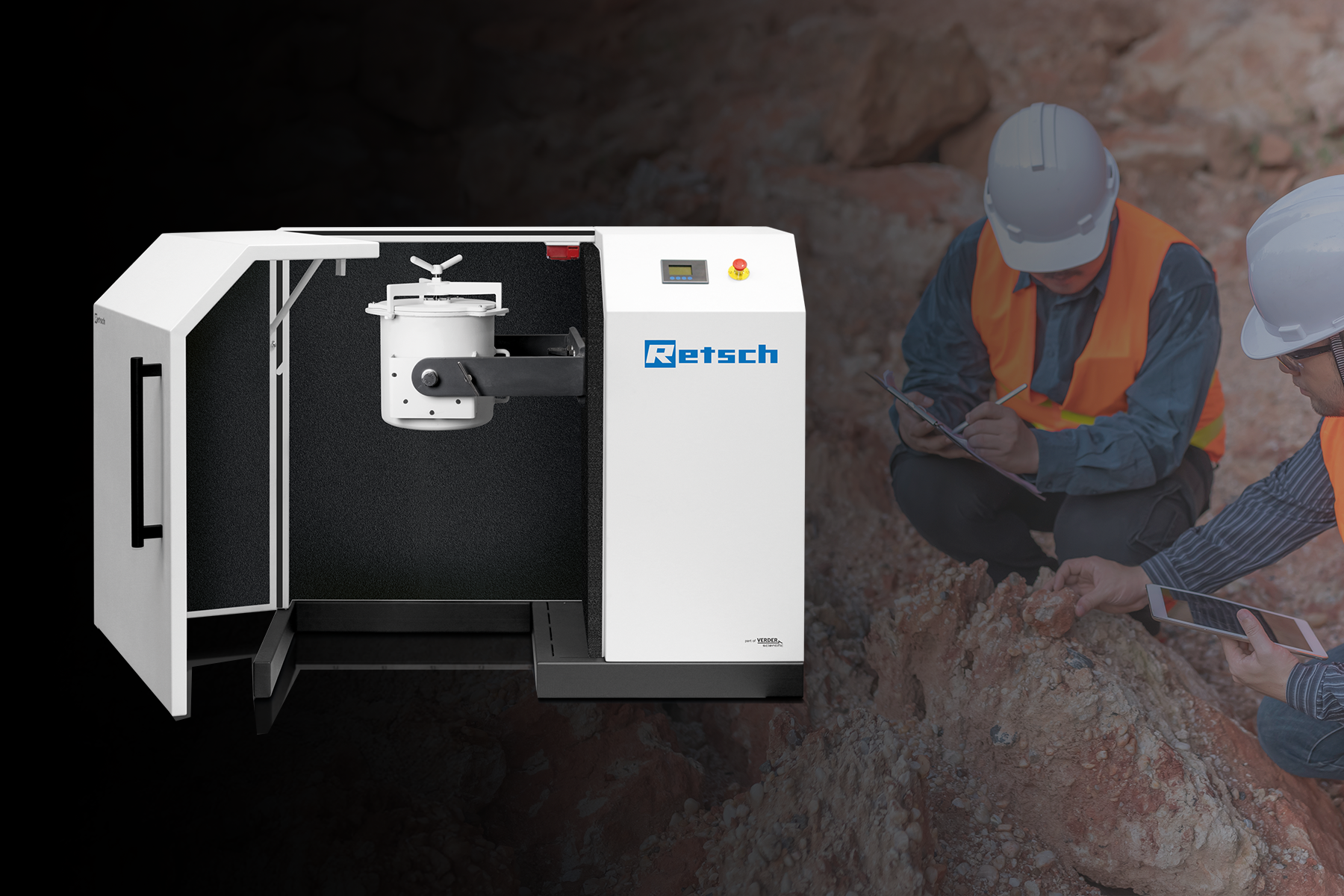
Traditionally, Bond Work Index tests were time-consuming and labor-intensive. Retsch simplifies this process by offering:
- Dedicated Bond Index Ball and Rod Mills tailored to the standardized procedure.
- The Drum Mill TM 300 is configurable for Bond testing, providing high flexibility in lab environments.
- Potential integration with software to streamline data handling, such as automatic revolution counting and built-in calculation tools for determining final work index after each cycle.
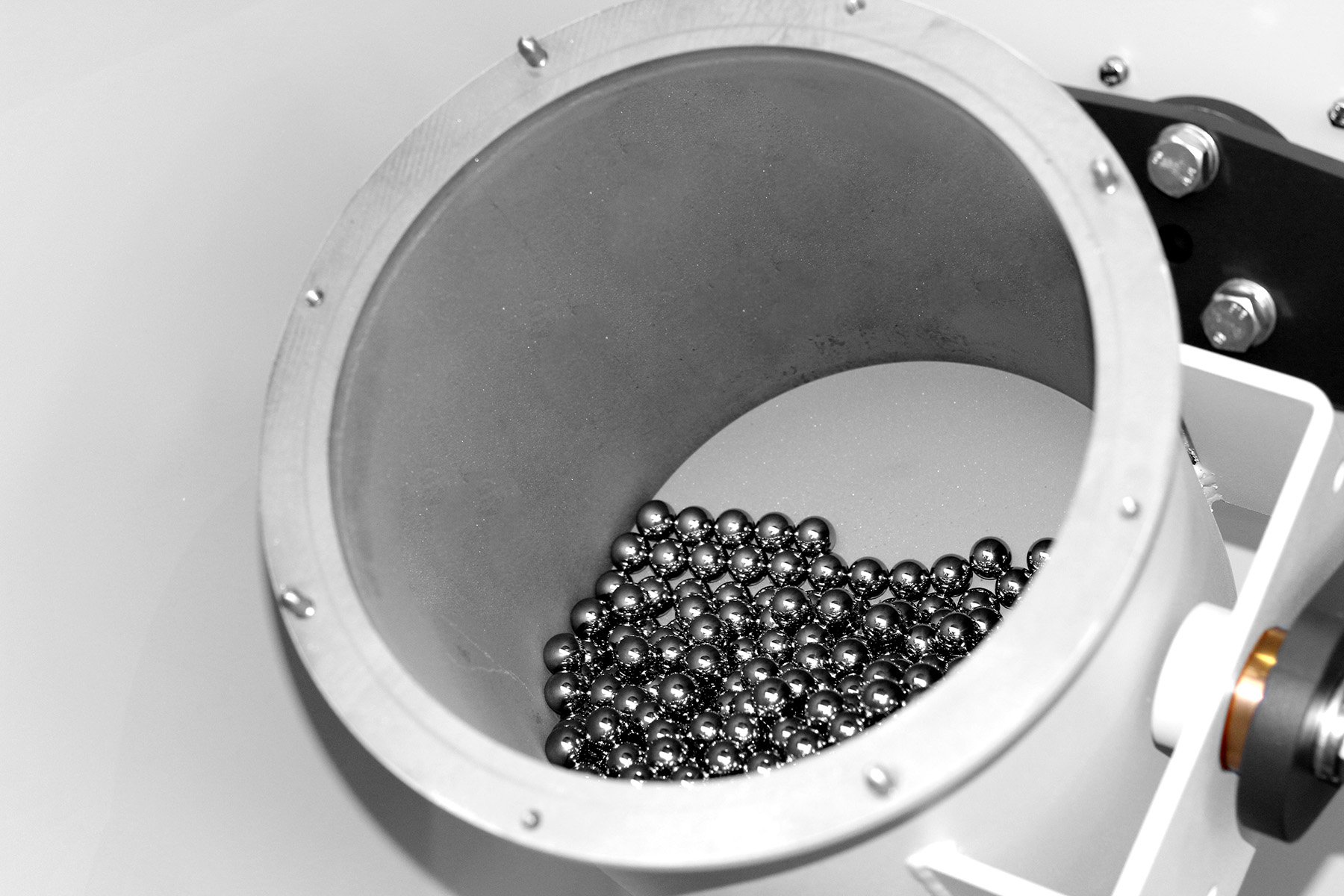
For mining professionals, metallurgists, and process engineers, determining the Bond Work Index is essential for proper equipment sizing, energy estimation, and process optimization. With Retsch’s specialized and efficient Bond testing equipment, you gain reliable data faster, with less manual effort, and full confidence in your results. Whether you're designing a greenfield plant or fine-tuning an existing circuit, Retsch delivers the grindability testing solution you can trust.
Badanie redukowalności rudy żelaza
Redukowalność rudy żelaza jest miarą tego, jak łatwo ruda żelaza może zostać zredukowana (usunięto tlen) do żelaza metalicznego, w warunkach przypominających piec do wytopu. Standardowa próba (ISO 4695:2015) polega na reakcji pelletów rudy żelaza lub sinteru z gazem redukującym w wysokiej temperaturze i pomiarze tempa i stopnia utraty masy (w miarę usuwania tlenu). Wynik zazwyczaj wyraża się jako Indeks Redukcji (% redukcji w określonym czasie) lub jako tempo. Laboratoria górnicze i metalurgiczne przeprowadzają tę próbę, aby ocenić różne źródła rudy żelaza pod kątem wydajności w piecu do wytopu; rudy, które łatwo się redukują, będą wymagały mniej paliwa i zapewnią wyższą wydajność. Ta próba jest kluczowa przy ocenie surowca do pieca do wytopu. Bardzo redukowalna ruda przyczyni się do niższego zużycia koksu w piecu do wytopu i potencjalnie wyższej wydajności. Jeśli ruda ma słabą redukowalność, może nie zostać w pełni zredukowana w szybie, co prowadzi do niższej metalizacji lub większej ilości energii potrzebnej w kotle, lub może wpłynąć na przepuszczalność pieca (ponieważ redukcja powoduje rozszerzanie się lub rozpad, co może być problematyczne). Podczas opracowywania procesów wzbogacania lub porównywania rudy w bryłach z pelletami, redukowalność jest jednym z wskaźników jakości. Producenci pelletów monitorują również redukowalność jako kontrolę jakości, ponieważ dodatki lub warunki palenia mogą ją zmieniać. Piec Carbolite Gero IOR (Redukowalność Rudy Żelaza) został zaprojektowany do tej próby, umożliwiając umieszczenie koszyka z próbką oraz zapewniając kontrolowane środowisko gazowe i profil temperatury. System umożliwia monitorowanie utraty masy próbki podczas redukcji, co pozwala na określenie tempa redukcji i indeksu redukcji
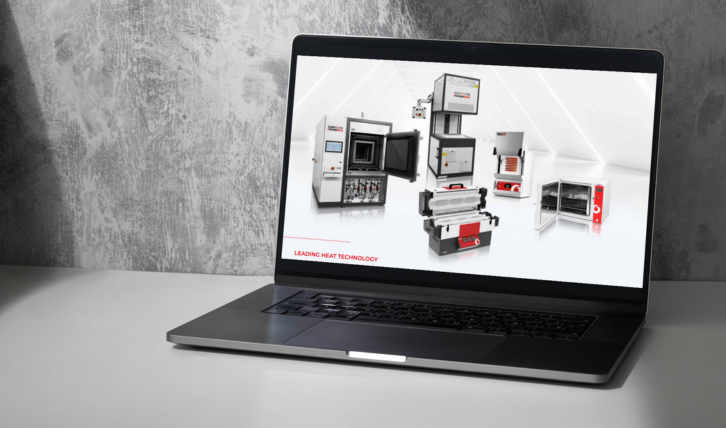
Piec IOR może być wyposażony do przeprowadzania testów równolegle lub sekwencyjnie poprzez automatyczną kontrolę gazu i temperatury. Procedura testowa:
- Zazwyczaj próbka rudy o określonym rozmiarze (np. pellety 10 mm lub kawałki sinteru) umieszcza się w piecu reakcyjnym.
- Piec podgrzewa się do 950 °C, zgodnie z normą ISO 4695, w atmosferze przepływającego gazu redukującego, zazwyczaj mieszanki CO, H₂ i N₂, przez określony czas.
- Próbka waży się okresowo lub ciągle, aby określić, ile tlenu (masy) zostało usunięte w poszczególnych odstępach czasu.
By performing the standard reducibility test, mining labs can provide valuable information to downstream users (steel mills). A higher reducibility index is generally favorable: it can be a selling point for an ore product.
On the other hand, extremely fast reduction can cause other issues (ore breaking apart too quickly, etc.), so the full picture involves multiple tests. Nonetheless, reducibility is a key metric, and Carbolite’s equipment ensures it’s measured under standardized conditions for comparability.
The data from such tests help in geometallurgical modeling of how an ore will perform in a furnace, bridging the gap between geological characteristics and industrial performance.
Monitorowanie wielkości cząstek w przetwórstwie minerałów (optymalizacja i odzysk mielenia)
In mining, precise control of particle size is critical for maximizing mineral recovery in downstream processes like flotation or leaching. Laser diffraction analyzers provide real-time feedback on grind size (e.g., D80 or % passing 75 µm), enabling operators to adjust mill parameters promptly. Unlike traditional sieving, laser diffraction is faster, automated, and follows ISO 13320 standards, ensuring reliable data.
This method is widely applied in grind circuit control, where maintaining particles within an optimal range (typically 10–100 µm for copper sulfide flotation) enhances liberation and flotation efficiency. If particles are too coarse (>150 µm), minerals remain locked in gangue; too fine (<5 µm), they may reduce recovery or increase reagent consumption.
Case studies show installing online particle size systems improves process stability and recovery—often by 1–2%. Academic research supports this, linking grind size to recovery curves and geometallurgical models. ASTM B822, providing trustworthy measurements.
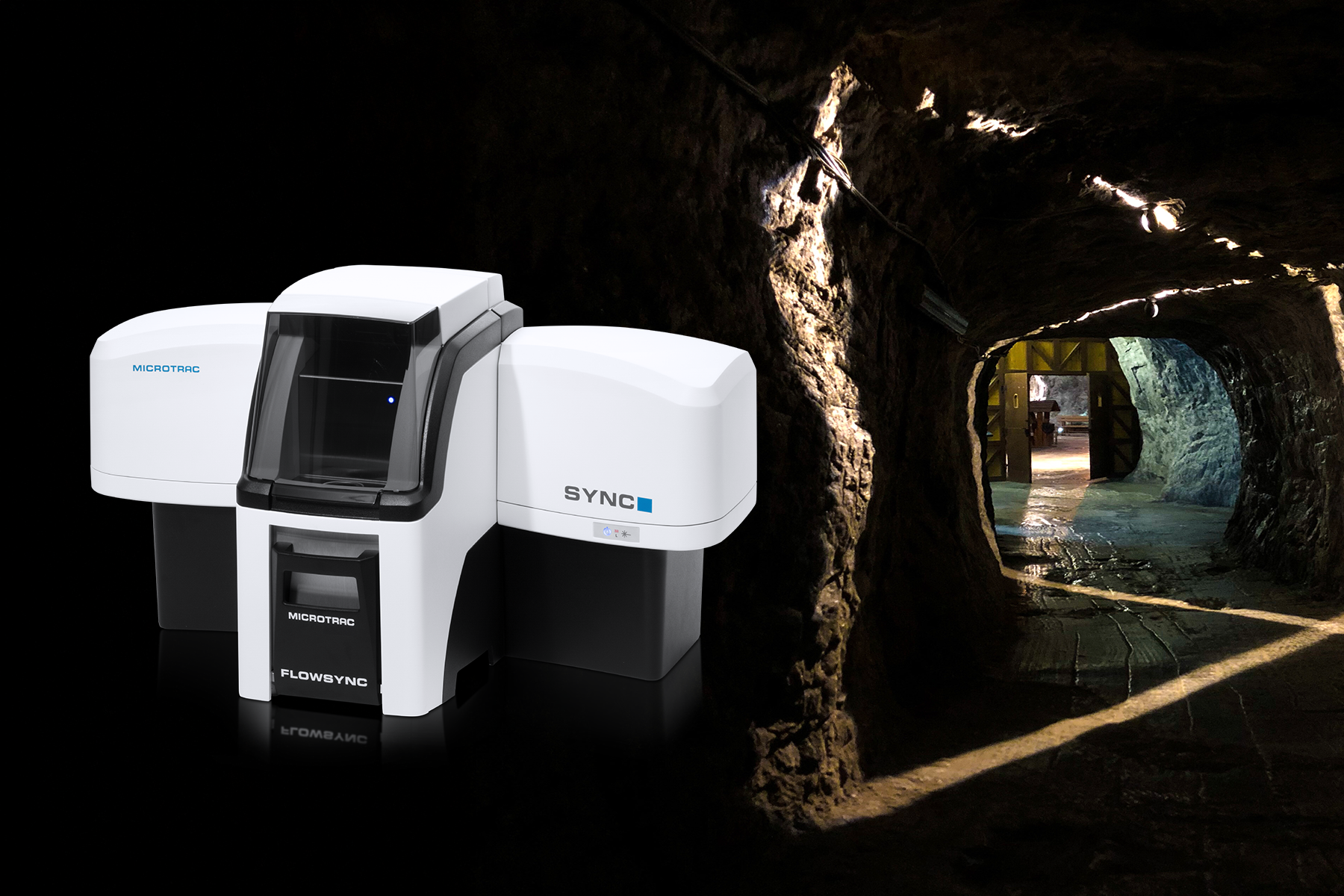
There is also another example about SYNC and the combination of laser diffraction and dynamic image analysis, to improve energy efficiency and reduce carbon footprint in magnetite and iron ore beneficiation. The key goal is optimizing particle size and magnetic conditioning to enhance downstream processes like flotation. By analyzing particle size and shape from the same sample, the system avoids sampling errors and ensures accurate data.
Optymalizacja procesów wydobywczych za pomocą dyfrakcji laserowej i analizy obrazu
In mining and geology, particle size distribution directly influences exploration accuracy, processing efficiency, and compliance with environmental standards. From drilling to flotation and construction aggregates, precise characterization is essential to optimize recovery, reduce costs, and ensure sustainability.
The Microtrac SYNC uniquely combines Laser Diffraction (LD) and Dynamic Image Analysis (DIA) in a single instrument, delivering comprehensive data on both particle size and shape. This dual approach empowers operators with rapid, automated, and reproducible results across the entire mining value chain.
Key Benefits:
- Exploration & Resource Characterization: Grain size data reveal mineralization patterns and guide drill placement.
- Processing & Mill Optimization: Real-time particle size monitoring reduces energy use and improves metallurgical recovery.
- Flotation & Leaching Control: Ensures optimal feed size for maximum yield and reduced reagent consumption.
- Environmental Monitoring: Tracks tailings, dust, and effluents to comply with strict regulations.
- Construction Materials: Provides rapid gradation control for aggregates, enhancing quality and durability.
Why Verder Solutions Matter
- Microtrac SYNC for combined LD + DIA particle analysis.
- STABINO ZETA for slurry stability and zeta potential monitoring.
- Integration with Retsch sample preparation tools ensures representative, contamination-free samples.
Fizysorpcja azotu do analizy powierzchni i mikroporowatości materiałów geologicznych
Nitrogen gas adsorption at cryogenic temperatures (77 K) remains a cornerstone technique in geoscience and materials research for determining the specific surface area and microporosity of minerals, ores, and derived materials. Using the Microtrac BELSORP series, researchers and laboratories can gain detailed insight into nanoscale porosity and surface characteristics—crucial for interpreting mineral behavior, adsorption capacity, and processing efficiency.
This method is widely applied across various geological materials such as clays, zeolites, activated carbons, bauxites, shales, and iron ore sinters. It is equally relevant in cutting-edge fields like planetary geology, where mineral porosity offers clues to the formation and alteration of extraterrestrial bodies.
Micropore and Surface Area Analysis Using Nitrogen Adsorption
Many geological materials, including coals, shales, and zeolites, contain a significant fraction of pores smaller than 2 nanometers. Nitrogen at 77 K can access most of these micropores, while CO₂ at 273 K is often employed to explore ultramicropores (<1 nm) due to nitrogen’s kinetic limitations. However, nitrogen-based BET analysis remains a robust method to determine the overall surface area, capturing contributions from both external surfaces and accessible internal pores (mesopores and select micropores).

Using Microtrac BELSORP analyzers:
Samples are first outgassed to remove moisture and volatile contaminants.
Nitrogen is adsorbed at controlled relative pressures (P/P₀) while the instrument records the adsorption isotherm at 77 K.
Advanced software tools provide BET surface area calculation, micropore/mesopore analysis, and support for various gases including argon (87 K) and carbon dioxide (273 K) for specialized studies.

Standards Methods
- ISO 9277:2010/2022 - Defines BET surface area measurements and validation criteria (linearity, C constant, etc.)
- ISO 15901-2:2022 - Covers mesopore analysis and pore size distribution via methods such as NLDFT
- ASTM D3663 - Standard practice for BET surface area analysis of catalysts, showing cross-industry relevance
Badanie mikrotwardości minerałów i skał
Precise Measurement of Mineral and Phase Hardness in Geosciences
Micro-indentation hardness testing—using techniques such as Vickers or Knoop under low loads—is a powerful method for evaluating the hardness of individual mineral grains and phases in geological specimens. While commonly used in metallurgy, this technique is equally valuable in the geosciences. QATM microhardness testers, originally developed under the Qness brand, offer precise, reliable measurement solutions that extend beyond metals to polished rock, ore, coal, and planetary samples.
Why our equipment?
- High-precision indentation at micron scale
- Automated measurements and imaging for efficient workflows
- Compatibility with polished geological specimens
- Absolute hardness values in MPa or kgf/mm2, enabling detailed material comparisons
Mercury Porosimetry for Rock Porosity and Pore Size Distribution
Mercury Intrusion Porosimetry (MIP) is used to characterize the pore volume and pore size distribution of rocks, ores, and other solid materials by forcing mercury into the pores under pressure.
Porosity is a key property: it’s the storage capacity for fluids in rocks and the determinant of how fluids move (permeability is related to pore throat sizes). While overall porosity can be measured by simpler means (like saturation or helium pycnometry), MIP uniquely provides a pore size distribution (PSD) over a wide range. This is valuable for Reservoir quality evaluation. Given porosity, a sample with predominantly large pores will generally have higher permeability than one where porosity is in micropores. Mercury intrusion gives an idea of effective pore throat sizes controlling flow. Rock typing: Two sandstones might both have 20% porosity, but if one has it mostly in 10 µm pores and the other in 0.1 µm pores, their behavior differs. MIP can differentiate such cases, helping geologists classify reservoir rock types.
In mining and mineral processing, knowledge of pore sizes can influence how one grinds or processes an ore. For example, if an ore’s valuable mineral is contained in matrix that has very small pores, leaching solution might not penetrate well – you’d need to crush finer or pretreat. MIP could quantify those pore entry sizes to inform such decisions.
To sum up, mercury intrusion porosimetry provides geologists and mining engineers with a window into the pore architecture of rocks and materials, quantifying total connected porosity and the size distribution of those connections from a few nanometers up to visible voids. This information is essential for predicting how fluids interact with the material – whether that be oil migrating through a sandstone, or acid leach solution percolating through crushed ore, or simply water entering a building stone and causing weathering.

Piece pilotażowe do badania węgla i koksu
Pilot plant furnaces are essential tools for simulating coal and coke processing under controlled laboratory conditions. They enable mining and metallurgical laboratories to replicate industrial coking processes on a smaller scale, providing valuable data for process optimization and coal blend evaluation.
Application Relevance
- Coal Blend Evaluation: Test small-scale coke production to predict industrial performance.
- Process Optimization: Study carbonization behavior to improve efficiency in steelmaking operations.
- Quality Assurance: Assess coke strength, reactivity, and suitability for blast furnaces before full-scale use.
- Research and Development: Support development of new coke oven processes and alternative fuels.
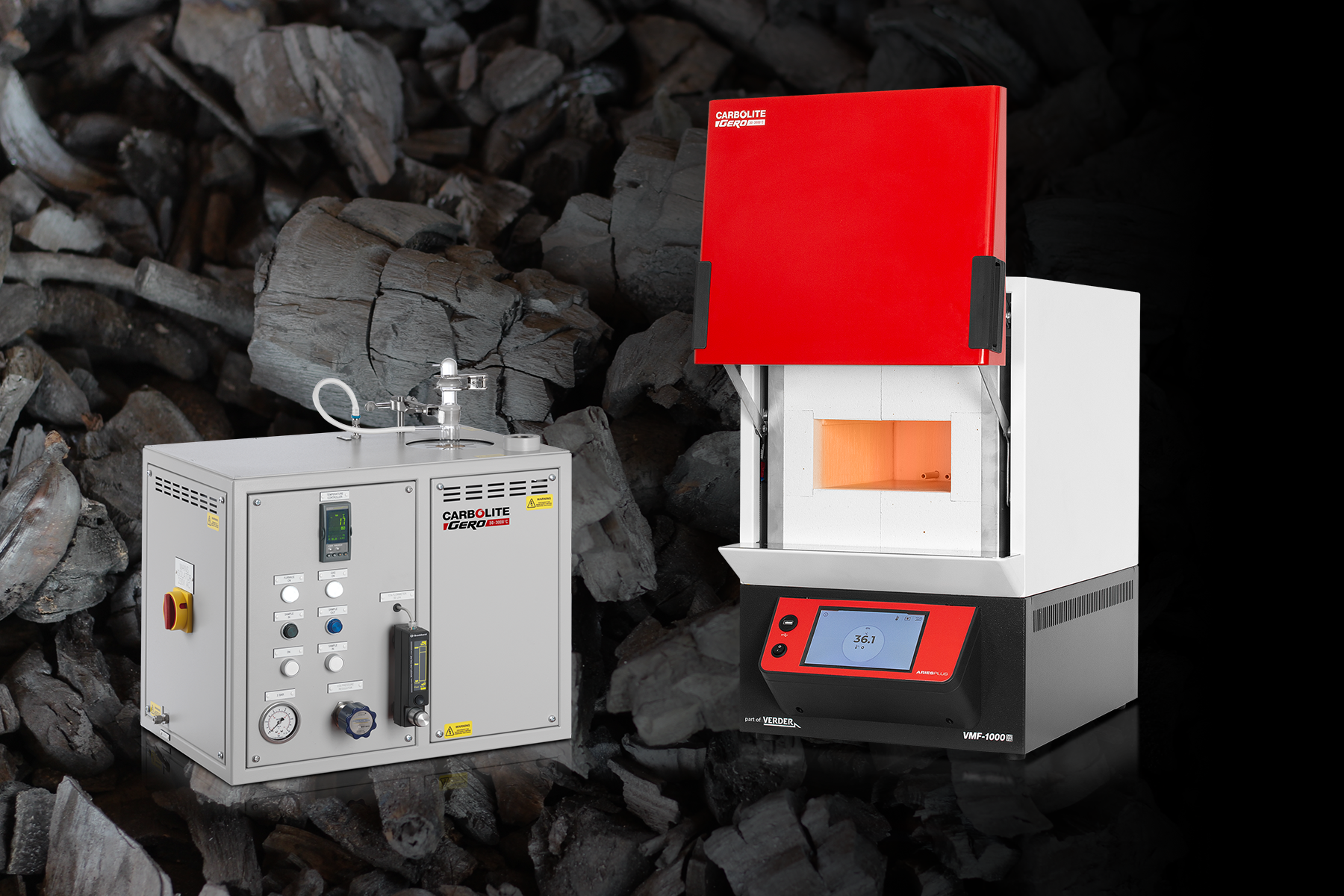
Carbolite Pilot Plant Furnaces provide precise control over heating profiles, atmospheres, and batch sizes. This allows mining and steel laboratories to reliably simulate industrial conditions, reduce risks, and ensure that raw materials meet the stringent requirements of metallurgical processes.
Enabling Progress GEOLOGIA I GÓRNICTWO
Are you interested in other topics from the Geo and Mining page?
Take a look and explore what else you can do with our products from different Verder brands!



GLOBALNE MARKI. LOKALNE DOŚWIADCZENIE.
Dzięki dedykowanym zespołom ekspertów na całym świecie jesteśmy do Twojej dyspozycji - zawsze i wszędzie. Aby zaoferować wysokiej jakości usługi, Verder Scientific posiada szeroką sieć oddziałów i lokalnych biur sprzedaży. Z niecierpliwością czekamy na możliwość prezentacji naszych produktów, służymy wsparciem aplikacyjnym oraz kompleksową obsługą.